Many organizations have a policy. Fewer have one that clearly addresses reporting, boundaries, and accountability.
A sexual misconduct prevention policy is one of the most important risk management tools an organization can have. While policies alone cannot prevent every incident, they establish expectations, support accountability, and help create a safer environment for employees, volunteers, participants, and the communities’ organizations serve.
For nonprofits, schools, camps, faith-based organizations, vendors and contractors, an effective policy should do more than state good intentions. It should provide practical guidance that helps people understand acceptable conduct, reporting responsibilities, and organizational expectations.
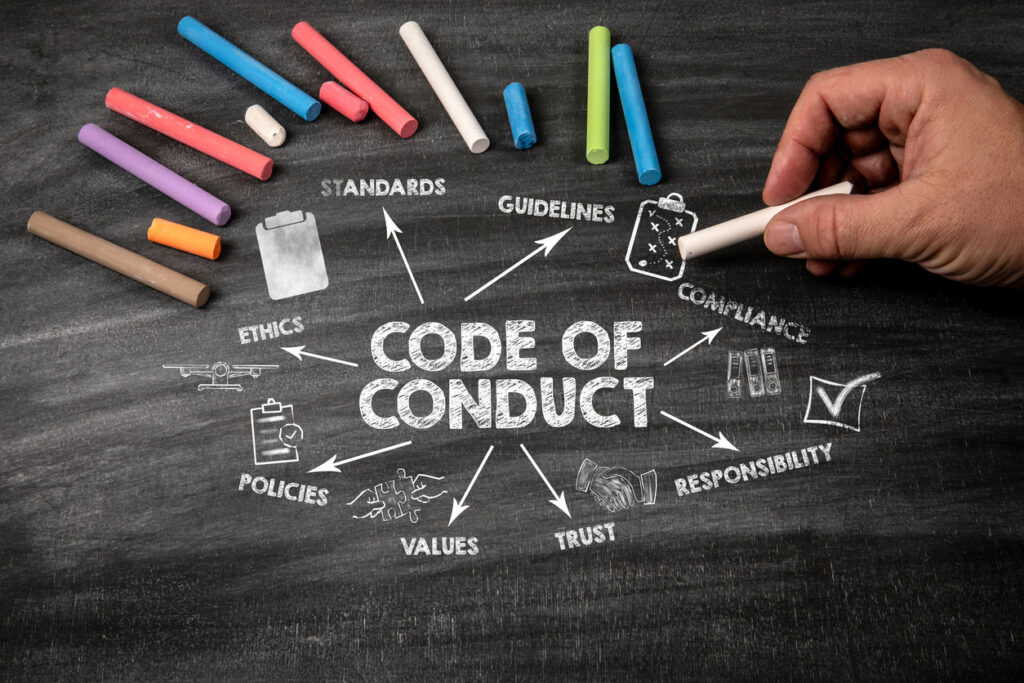
Start With a Clear Statement of Commitment
Every policy should begin by affirming the organization’s commitment to providing a safe, respectful, and professional environment.
This section typically communicates that sexual misconduct will not be tolerated and that concerns will be taken seriously. A clear statement from leadership helps reinforce the importance of prevention and accountability throughout the organization.
Define Key Terms
People cannot follow a policy if they do not understand the language being used. An effective policy should include plain-language definitions for terms such as:
- Sexual misconduct
- Harassment
- Inappropriate conduct
- Boundary violations
- Retaliation
- Reporting obligations
Definitions help create consistency and reduce confusion when concerns arise. Organizations should ensure terminology aligns with applicable laws and organizational practices.
Establish Standards of Conduct
A prevention policy should clearly describe expected behavior for employees, volunteers, contractors, and anyone acting on behalf of the organization.
Examples may include expectations related to:
- Professional boundaries
- Respectful interactions
- Appropriate communications
- Physical contact
- Use of technology and social media
- Interactions with vulnerable populations
Clear behavioral expectations help individuals understand where boundaries exist before problems occur.
Outline Reporting Procedures
One of the most important sections of any policy explains how concerns should be reported.
Individuals should know:
- What types of concerns should be reported
- Who receives reports
- How reports can be submitted
- What to do if a supervisor is involved
- Whether anonymous reporting options are available
A reporting process should be easy to understand and accessible to everyone involved with the organization.
Explain How Reports Will Be Addressed
People are more likely to report concerns when they understand what happens next.
While organizations should avoid overly detailed procedures in public-facing materials, a policy should generally explain that reports will be reviewed promptly and handled according to organizational procedures and applicable legal requirements.
This helps build trust in the reporting process while reinforcing organizational accountability.
Address Training Requirements
Training plays a critical role in prevention efforts.
Many organizations incorporate abuse prevention training for organizations as part of onboarding and ongoing education programs. Regular training helps employees, volunteers and contractors recognize warning signs, understand organizational expectations, and respond appropriately when concerns arise.
A policy should identify who receives training and how often training requirements are reviewed.
Include Screening and Supervision Practices
Prevention begins before an individual starts working or volunteering with an organization.
Policies often reference screening measures such as:
- Applications
- Interviews
- Reference checks
- Background screening where appropriate
They may also outline supervision practices designed to reduce opportunities for misconduct and promote transparency.
Prohibit Retaliation
A strong policy encourages good-faith reporting by prohibiting retaliation against individuals who raise concerns.
Employees, volunteers, and participants should feel comfortable reporting suspected misconduct without fear of punishment, exclusion, or negative treatment.
When individuals believe they can report concerns safely, organizations are more likely to identify risks before they become larger problems.
Support Ongoing Review
Risks, regulations, and organizational needs can change over time.
For that reason, sexual misconduct prevention policies should be reviewed periodically to determine whether updates are needed. Regular reviews help ensure that policies stay relevant, effective, and aligned with current operational practices.
Why a Strong Policy Matters
The impact of misconduct extends beyond a single incident. Organizations may experience reputational damage, loss of trust, operational disruptions, and costly abuse and molestation claims.
A well-developed policy helps establish a foundation for prevention, supports consistent decision-making, and shows a commitment to safety and accountability.
The Bottom Line
An effective sexual misconduct prevention policy should clearly communicate expectations, define prohibited conduct, explain reporting procedures, and support ongoing prevention efforts through training, screening, and supervision.
When combined with strong leadership and a culture of accountability, a well-designed policy can help organizations better protect the people they serve while reducing organizational risk.